

ประเทศไทย
เดินทางไปทุกที่ที่คุณต้องการ
เคล็ดลับการท่องเที่ยวประเทศไทย
ค้นพบความมหัศจรรย์ของการท่องเที่ยวประเทศไทย
ยินดีต้อนรับสู่ประเทศไทย ดินแดนแห่งรอยยิ้ม! ไม่ว่าคุณกำลังมองหาความคึกคักของตลาดกลางคืนในกรุงเทพฯ ความสงบทางจิตใจของวัดวาอารามโบราณทางภาคเหนือ หรือหาดทรายขาวบริสุทธิ์ของหมู่เกาะทางใต้ สวรรค์เขตร้อนแห่งนี้มอบการผจญภัยที่ไม่มีวันลืม การเดินทางมาที่นี่คือประสบการณ์ที่น่าเหลือเชื่อ แต่การเดินทางในประเทศใหม่ย่อมต้องมีการเรียนรู้ เพื่อช่วยให้คุณปรับตัวได้อย่างราบรื่น เราได้รวบรวมคู่มือสุดยอดที่อัดแน่นไปด้วยเคล็ดลับทางปฏิบัติที่จำเป็น ซึ่งผู้มาเยือนครั้งแรกทุกคนจำเป็นต้องรู้ก่อนก้าวลงจากเครื่องบิน.

ค้นพบความมหัศจรรย์ของการท่องเที่ยวประเทศไทย
ยินดีต้อนรับสู่คู่มือฉบับสมบูรณ์สำหรับการผจญภัยในประเทศไทยของคุณ สำรวจกรุงเทพฯ ที่พลุกพล่าน ผ่อนคลายบนชายหาดบริสุทธิ์ และลิ้มรสชาติอันเข้มข้นของอาหารไทย ไม่ว่าคุณจะมองหาวัฒนธรรม การพักผ่อน หรือความตื่นเต้น ประเทศไทยมีบางสิ่งสำหรับนักเดินทางทุกคน ให้คู่มือนี้ช่วยคุณค้นพบประสบการณ์ที่ดีที่สุดที่ประเทศอันงดงามแห่งนี้มีให้.
การเชื่อมต่ออัจฉริยะ
การเชื่อมต่ออินเทอร์เน็ตตลอดเวลาขณะสำรวจประเทศไทยเป็นสิ่งจำเป็นสำหรับการเดินทางบนเส้นทางที่ไม่คุ้นเคย การแปลเมนูอาหาร และการแบ่งปันช่วงเวลาการเดินทางของคุณแบบเรียลไทม์ โชคดีที่ประเทศไทยมีโครงสร้างพื้นฐานอินเทอร์เน็ตมือถือที่เร็วและราคาย่อมเยาที่สุดแห่งหนึ่งในเอเชียตะวันออกเฉียงใต้ เมื่อมาถึง สิ่งที่ดีที่สุดที่คุณควรทำคือการหาซื้อซิมการ์ดสำหรับนักท่องเที่ยวในทันทีเพื่อหลีกเลี่ยงค่าบริการโรมมิ่งระหว่างประเทศที่มีราคาแพง ผู้ให้บริการรายใหญ่มีสัญญาณครอบคลุมทั่วประเทศเป็นอย่างดี มั่นใจได้ว่าคุณจะยังคงเชื่อมต่อได้ตลอดเวลา ไม่ว่าจะอยู่ในใจกลางเมืองหรือนอนพักผ่อนอยู่บนชายหาดที่ห่างไกล

การเลือกซิมการ์ดของคุณ
คุณจะพบเคาน์เตอร์ของผู้ให้บริการเครือข่ายโดยเฉพาะได้ที่บริเวณโถงผู้โดยสารขาเข้าของสนามบินนานาชาติหลักทุกแห่ง รวมถึงสนามบินสุวรรณภูมิและดอนเมือง เครือข่ายชั้นนำที่ควรสังเกตคือ AIS, TrueMove H และ dtac ซึ่งมีแพ็กเกจสำหรับนักท่องเที่ยวโดยเฉพาะตั้งแต่ 7 ถึง 30 วัน พร้อมอินเทอร์เน็ตความเร็วสูงแบบไม่จำกัดในราคาสุดคุ้ม การลงทะเบียนนั้นสะดวกรวดเร็ว เพียงแสดงหนังสือเดินทางของคุณให้เจ้าหน้าที่พนักงาน พวกเขาจะทำการติดตั้งและเปิดใช้งานซิมการ์ดให้คุณทันที ณ จุดนั้น หากโทรศัพท์ของคุณรองรับเทคโนโลยี eSIM คุณยังสามารถซื้อและตั้งค่าออนไลน์ล่วงหน้าก่อนการเดินทางได้อีกด้วย.
ข้อมูลโซเชียลมีเดียและข้อความไม่จำกัด: แพ็กเกจท่องเที่ยวส่วนใหญ่เสนอ การใช้อินเทอร์เน็ตไม่จำกัด สำหรับแอปพลิเคชันส่งข้อความโซเชียลและเครือข่ายยอดนิยม ซึ่งรวมถึง:
เฟซบุ๊กและแมสเซนเจอร์
ไลน์ แอปพลิเคชันรับส่งข้อความที่ได้รับความนิยมมากที่สุดในประเทศไทย
อินสตาแกรม
วอทส์แอป
X (เดิมคือ Twitter)
ปริมาณอินเทอร์เน็ตความเร็วสูง: แพ็กเกจมักจะมาพร้อมกับปริมาณเน็ตความเร็วสูงจำนวนมาก (ตั้งแต่ 15 GB ถึง 50 GB หรือแม้แต่เน็ตไม่จำกัด) ซึ่งมีอายุการใช้งาน 8, 15 หรือ 30 วัน.
การโทรภายในประเทศและเครดิตการโทร: รวมเครดิตการโทรฟรีหรือนาทีโทรในประเทศเพื่อให้คุณโทรหาโรงแรม บริษัททัวร์ หรือเพื่อนในท้องถิ่นได้อย่างง่ายดาย.

- คำแนะนำที่สำคัญสำหรับนักท่องเที่ยวที่มาเยือนครั้งแรก
ต้องใช้หนังสือเดินทาง: ตามกฎหมายไทย คุณ ต้องแสดงหนังสือเดินทางตัวจริงของคุณ เพื่อลงทะเบียนและเปิดใช้งานซิมการ์ดท้องถิ่นใดๆ.
สถานที่ซื้อ:
ที่สนามบิน: คุณสามารถซื้อและตั้งค่าซิมการ์ดได้อย่างง่ายดายที่คีออสของผู้ให้บริการอย่างเป็นทางการในในสนามบินหลักๆ (เช่น สุวรรณภูมิ หรือดอนเมืองในกรุงเทพฯ, สนามบินภูเก็ต).
ในเมือง: มีจำหน่ายที่ร้านสะดวกซื้อทั่วไป (เช่น เซเว่นอีเลฟเว่น) หรือที่สาขาร้านค้าอย่างเป็นทางการของเครือข่าย.
- ตัวเลือก eSIM: หากโทรศัพท์ของคุณรองรับ eSIM คุณสามารถซื้อและตั้งค่าออนไลน์ได้ก่อนที่คุณจะเดินทางมาถึงประเทศไทยเสียอีก!
การคมนาคมที่ไร้รอยต่อ
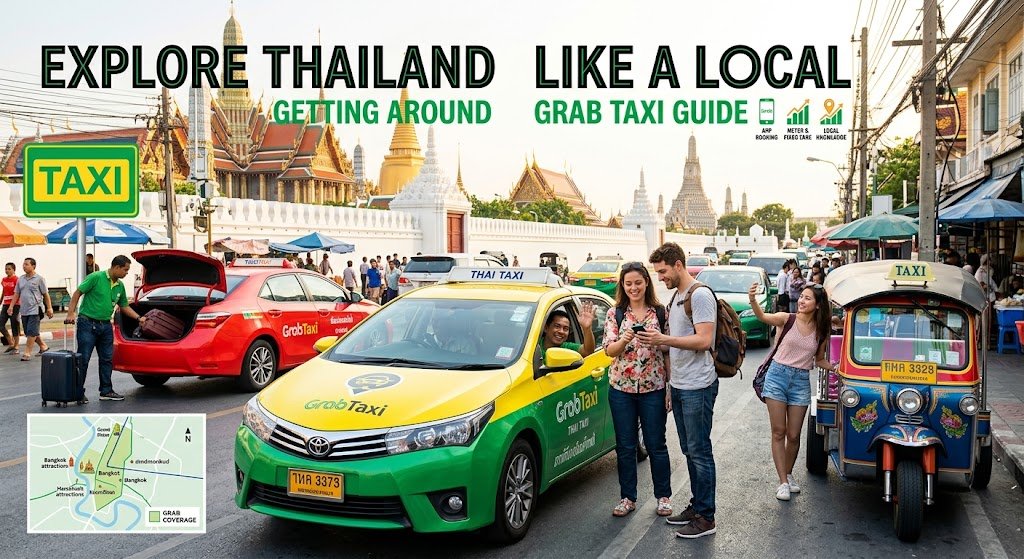
การเดินทางรอบประเทศไทยถือเป็นการผจญภัยในตัว ซึ่งมีบริการตั้งแต่รถโดยสารแบบเปิดโล่งดั้งเดิมไปจนถึงระบบขนส่งติดแอร์สมัยใหม่ แม้ว่ารถไฟสาธารณะและรถไฟฟ้าจะยอดเยี่ยมในการหลีกเลี่ยงรถติดขึ้นชื่อของกรุงเทพฯ แต่คุณจะต้องพึ่งพาการเดินทางทางถนนบ่อยครั้งเพื่อไปยังจุดหมายปลายทางเฉพาะ การรู้ว่าควรดาวน์โหลดแอปพลิเคชันใดและจะสื่อสารกับคนขับรถท้องถิ่นอย่างไรจะช่วยให้คุณประหยัดทั้งเวลาและเงินในการเดินทางประจำวันของคุณ.
- สิงคโปร์
- ประเทศไทย
- มาเลเซีย
- เวียดนาม
- ฟิลิปปินส์
- อินโดนีเซีย
- กัมพูชา
- เมียนมา
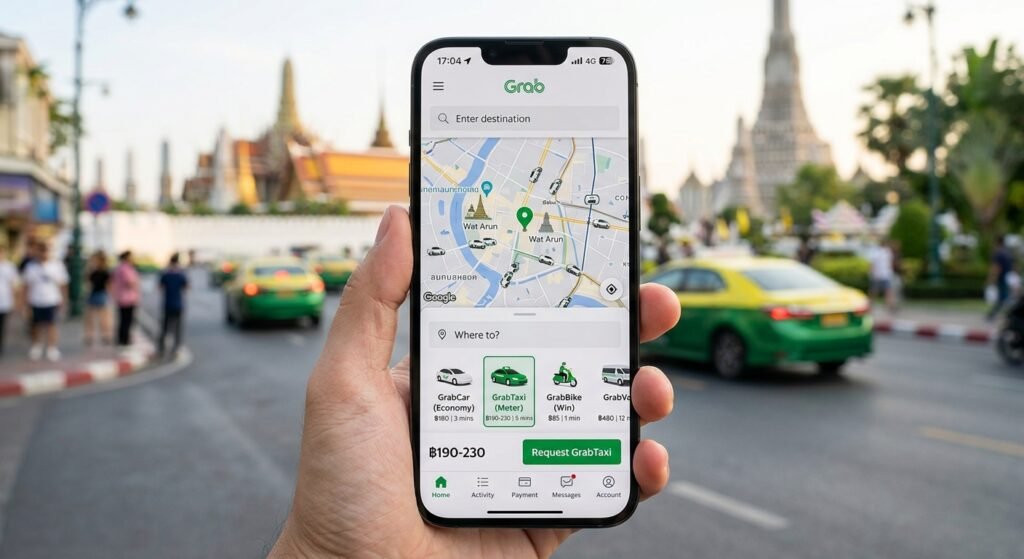
- เรียกรถโดยสาร การจองตามความต้องการสำหรับแท็กซี่ รถยนต์ส่วนบุคคล คาร์พูล หรือมอเตอร์ไซค์ พร้อมราคากลล่วงหน้าที่แน่นอน.
- Delivery: Ordering meals via GrabFood or groceries and essentials via GrabMart.
- GrabExpress: Instant, on-demand courier and parcel delivery service.
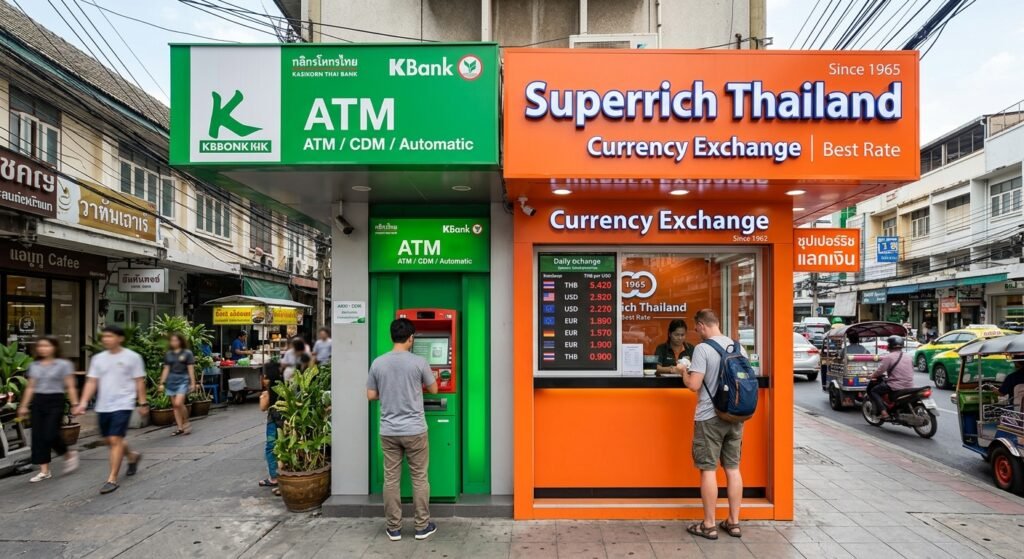
- GrabPay: Integrated mobile wallet for secure cashless payments inside the app and at local merchants.
- For iOS devices on the Apple App Store
- For Android devices on the Google Play Store
Culture and Etiquette
Thai culture is deeply rooted in respect, spirituality, and mindfulness. As a visitor, showing an understanding of local customs is the fastest way to earn the respect and warm hospitality of the local people. By observing a few basic rules of etiquette, you can ensure that your interactions remain polite and that your presence is respectful to the local heritage.
Mastering Thai Greetings and Politeness
- If you identify as Male: End sentences with “Khrap” (pronounced krup).
- If you identify as Female: End sentences with “Kha” (pronounced kah). [1, 2]
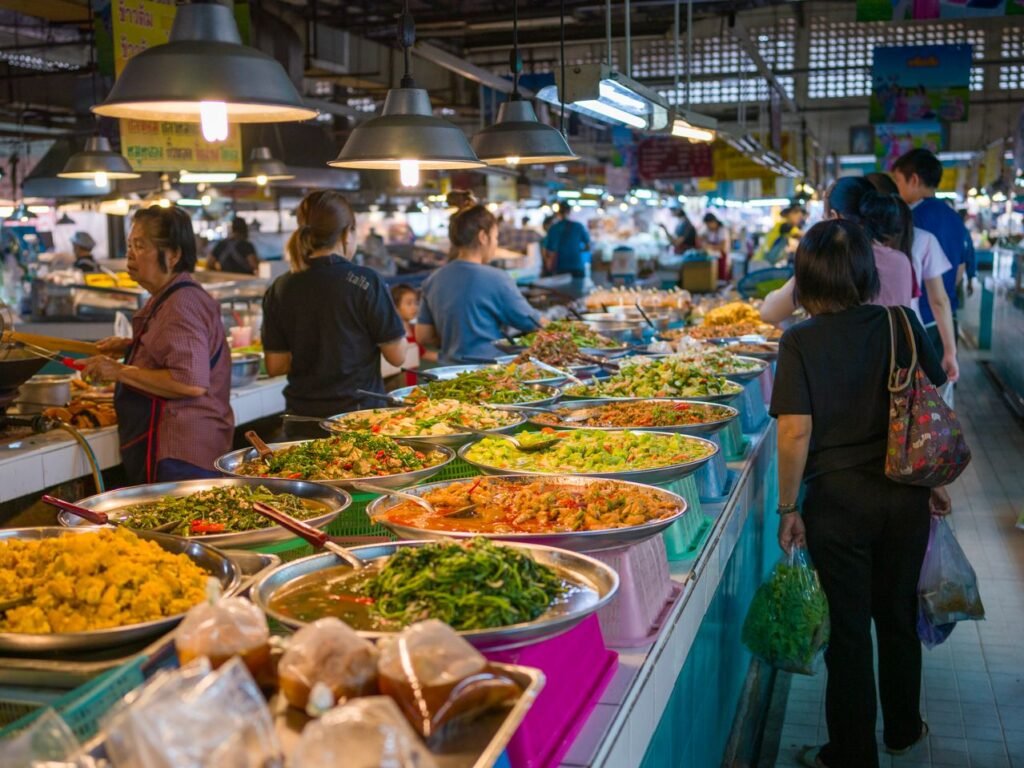
THAI CUSINE
A Comprehensive Guide to Thai Cuisine: A Journey of Flavor, Wellness, and Cultural Sophistication
Thai cuisine stands as one of the world’s most vibrant and revered culinary traditions. Its reputation, built on a foundation of intricate flavors and aromatic complexity, is both deserved and universal. Thai food is very delicious and healthy, representing a perfect harmony of five fundamental flavors: salty, sweet, sour, bitter, and, most famously, spicy. However, this last element often overshadows the other four, leading to a misconception that all Thai food is excessively hot. In reality, the heart of Thai cuisine is about achieving balance, and spice is merely one instrument in this culinary orchestra. This guide explores the sophisticated world of non-spicy Thai food, empowering you to navigate the menu with confidence and fully experience the cuisine’s exquisite diversity, while ensuring your preferences are communicated effectively.
The Foundation: Balance and the “Five Flavors” of Thai Cuisine
To appreciate Thai food without spice, one must first understand the concept of “Ros Chat,” or taste. Traditionally, every Thai meal aims to harmonize five essential flavors:
Sweet (Wan): Often derived from palm sugar (nam tan peep) or coconut milk. It provides a balancing base and adds depth.
Sour (Priaw): Found in lime (manao), tamarind (makham), and vinegar. This acidity cuts through richness and adds freshness.
Salty (Kem): The backbone of savory dishes, provided by fish sauce (nam pla), soy sauce, and shrimp paste (kapi).
Bitter (Khom): This subtle note, derived from various vegetables like bitter melon or kaffir lime leaves, adds complexity and prevents dishes from becoming one-dimensional.
Spicy (เผ็ด – Phet): Delivered by various chilies (phrik), from the innocuous large green chili to the potent bird’s eye chili. This flavor provides warmth and stimulation.
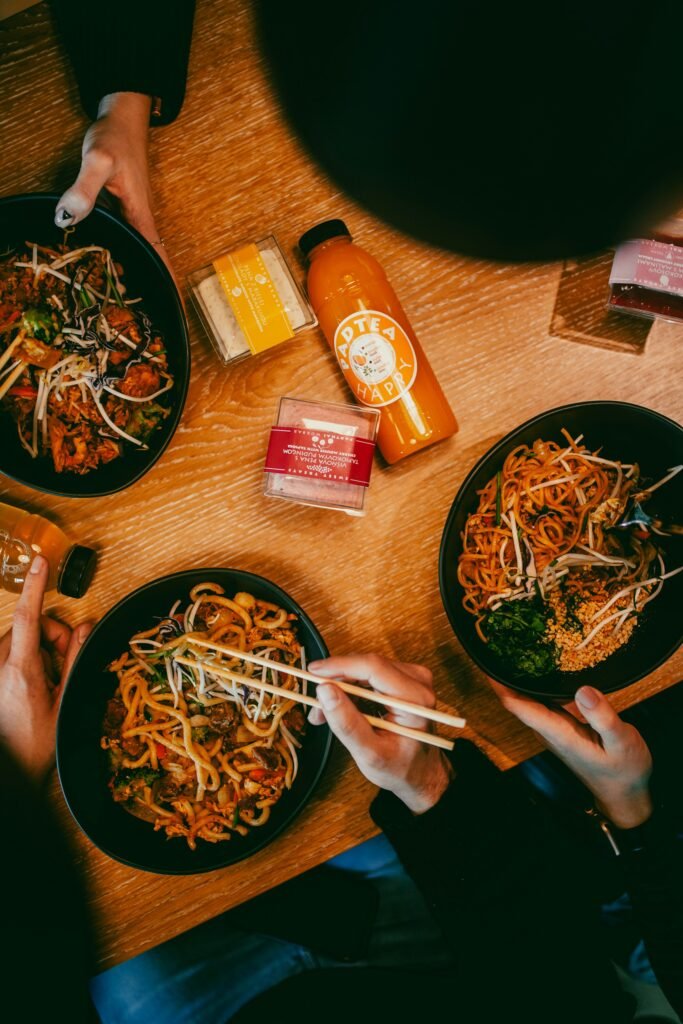
1. The Creamy Classic: Kha Gai (Tamarind Coconut Chicken Soup)
Perhaps the most famous non-spicy soup, Tom Kha Gai is a masterpiece of creamy, fragrant balance. Its magic lies not in chili, but in the synergy of coconut milk and galangal (kha), a close relative of ginger with a distinct, almost citrusy and piney flavor. Unlike its spicy cousin, Tom Yum, Tom Kha Gai uses very few, if any, chilies.
The Profile: Velvety and Rich.
Key Ingredients: Chicken, coconut milk, galangal, lemongrass, kaffir lime leaves, oyster mushrooms, lime juice (sour), and fish sauce (salty).
Why It Works: The coconut milk provides a soothing base. The essential herbs infuse the broth with aroma, while the tamarind and lime offer a refreshing counter-acidity, making it rich without being heavy.
2. The Comfort Food King: Khao Pad (Thai Fried Rice)
While fried rice is a common dish across Asia, the Thai version has distinct characteristics that make it uniquely satisfying and widely appealing. Thai Khao Pad typically does not contain chilies unless specifically requested (as “Khao Pad Phrik”).
The Profile: Savory, subtle, and widely loved.
Key Ingredients: Jasmine rice (the standard for Thai cuisine), choice of protein (pork, chicken, or shrimp), egg, onion, garlic, tomato, spring onion, and seasoned with soy sauce and fish sauce. It is always served with a lime wedge to add that essential Thai acidity.
Why It Works: It focuses on the Maillard reaction (the savory browning of the ingredients), garlic, and the salty depth of the soy and fish sauce, creating a universal, comforting flavor profile.
3. The National Dish: Pad Thai (Stir-Fried Rice Noodles)
Contrary to popular belief, authentic Pad Thai is not inherently spicy. While chilies are part of the standard accompaniment tray (kruang prung), they are meant to be added at the diner’s discretion. The soul of Pad Thai is its unique sour-sweet-salty profile.
The Profile: Complex, sweet-and-sour, and slightly smoky.
Key Ingredients: Thin rice noodles, protein (often shrimp or tofu), egg, garlic, tamarind paste (the crucial sour element), palm sugar (the sweet), fish sauce (the salty), preserved radish, and bean sprouts.
Why It Works: The complex, cooked-down sauce of tamarind and palm sugar creates a distinct sweet-and-sour glaze that is balanced by the salty notes, while the textures of the noodles, sprouts, and crushed peanuts provide an added layer of experience.
4. The Savory Staple: Pad see ew (Stir-Fried Wide Noodles)
This dish is a comforting, garlic-forward stir-fry that has roots in Chinese-Thai culinary fusion. It is naturally non-spicy, focusing instead on deep, savory flavors.
The Profile: Salty-savory with a hint of garlic and sweetness.
Key Ingredients: Wide, flat rice noodles (sen yai), protein, Chinese broccoli (gai lan), egg, and a dark soy sauce mixture.
Why It Works: The key is the high-heat stir-fry which creates a slightly charred flavor (wok hei), complementing the savory dark soy sauce and the slight bitterness of the gai lan.
5. The Elegant Curry: Massaman Curry (Muslim-Style Beef or Chicken Curry)
While a curry, Massaman is unique in that its flavor profile leans heavily towards sweet and savory, rather than hot. Influenced by Persian and Indian traders, it incorporates dry spices not typically found in other Thai curries. It is often described as the most “western-friendly” curry.
The Profile: Mild, rich, aromatic, with sweet and nutty notes.
Key Ingredients: Protein, potatoes, roasted peanuts, onions, and a curry paste that includes cardamom, cinnamon, cloves, star anise, and cumin. The liquid base is coconut milk.
Why It Works: The dry spices create a deep warmth rather than a sharp burn, while the sweetness from the coconut milk and sugar, the nuttiness of the peanuts, and the savoriness of the paste create an incredibly smooth and complex profile.
The Art of Dining: How to Politely and Effectively Request “No Spicy”
The most significant barrier to enjoying non-spicy Thai food is not the cuisine itself, but communication. In Thailand, hospitality is paramount, and chefs are generally very willing to accommodate dietary needs. However, the concept of “not spicy” (phet noy) is subjective, and their baseline tolerance is vastly higher than most. To get what you truly want, clarity and politeness are essential.
The Magic Words:
The key is to ask for “No Chilies at All,” which is more precise than simply saying “not spicy.“
“May-ow-phrik” (ไม่เอาพริก) – This directly translates to “I don’t want any chilies.” This is the most effective phrase.
“May-phet-ley-khrap/ka” (ไม่เผ็ดเลยครับ/ค่ะ) – “Not spicy at all.” This works well, too.
Remember to add the polite particle to the end: “Khrap” for males and “Ka” for females. Using these phrases with a smile will guarantee understanding.
Where the Request is Most Important:
Papaya Salad (Som Tum): This is the quintessential Thai spicy dish. While it can be ordered with “no chilies” (Som Tum may-ow-phrik), be aware that the mortar used might have residual chili from the previous order. For absolute safety, specify “Som Tum Thai may-ow-phrik” or choose the more naturally non-spicy versions like “Som Tum Tod” (Deep-Fried Papaya Salad), which is served with a sweet sauce and typically zero heat.
Tom Yum Soup: Tom Yum Kung (Spicy Shrimp Soup) is the standard and is exceptionally hot. You must explicitly request this to be “may-ow-phrik” or, better yet, choose “Tom Kha”, which is safer.
Curries (Green, Red, Panang): The chili is integrated into the curry paste itself. For most green, red, or Panang curries, “no spicy” is a very difficult request for the chef to fulfill. If you are extremely sensitive, your best choices in the curry category are Massaman Curry or Yellow Curry, which are naturally very mild.
Conclusion: A Cultural and Culinary Invitation
Thai cuisine is a living art form, defined not by heat, but by balance, aroma, and the creative interplay of flavors. The reputation of its extreme spiciness is only one facet of a multi-faceted jewel. By focusing on the wealth of inherently non-spicy dishes and by communicating preferences politely and clearly, you unlock a vast and sophisticated world of culinary delight.
From the comforting warmth of Khao Pad to the intricate complexity of Tom Kha Gai, the non-spicy realm of Thai food offers a truly profound experience. This exploration is not about avoiding the heat; it is about embracing the rest of the melody, allowing the fragrant herbs and the four primary flavors to create a symphony of taste that is both exquisitely delicious and profoundly satisfying. We invite you to venture forth with this knowledge, order with confidence, and truly experience the brilliant and healthy diversity that Thai cuisine has to offer.
Thailand: The Ultimate Guide to Beaches, Jungles, and Mountains.
Lustrous limestone karsts rising from turquoise waters, emerald rice paddies nestled in mist-shrouded mountains, ancient temples whispering secrets of a bygone era, and vibrant street markets humming with energy – this is Thailand, the Land of Smiles.
Whether you’re a sun-worshipper seeking pristine beaches, an adventurer yearning to trek through lush jungles, or a cultural enthusiast eager to explore ornate temples, Thailand has something to captivate every traveler. Having spent countless months exploring this Southeast Asian gem, I’ve put together the ultimate guide to help you plan your own unforgettable Thai adventure.
The Stunning Southern Islands: Beaches & Turquoise Waters
Thailand’s Southern region is synonymous with breathtaking beaches and idyllic islands, each offering a unique vibe.
Phuket: The Largest and Liveliest Island
Phuket is Thailand’s biggest island and arguably its most famous. It’s a bustling hub with diverse experiences, from vibrant nightlife in Patong to tranquil retreats on the northern beaches like Bang Tao or Mai Khao. Phuket is a great starting point, especially for first-timers, offering easy access to other nearby islands.
Must-Do:
Island Hopping: Explore the iconic Phi Phi Islands, famous for their stunning cliffs and turquoise waters (though be prepared for crowds at peak times). Maya Bay, made famous by the movie The Beach, has recently reopened with a focus on conservation.
Explore Old Phuket Town: Wander through the charming streets lined with colourful Sino-Portuguese shophouses, boutiques, and excellent restaurants.
Visit the Big Buddha: Take in panoramic views of the island from this massive, white marble statue perched atop a hill.

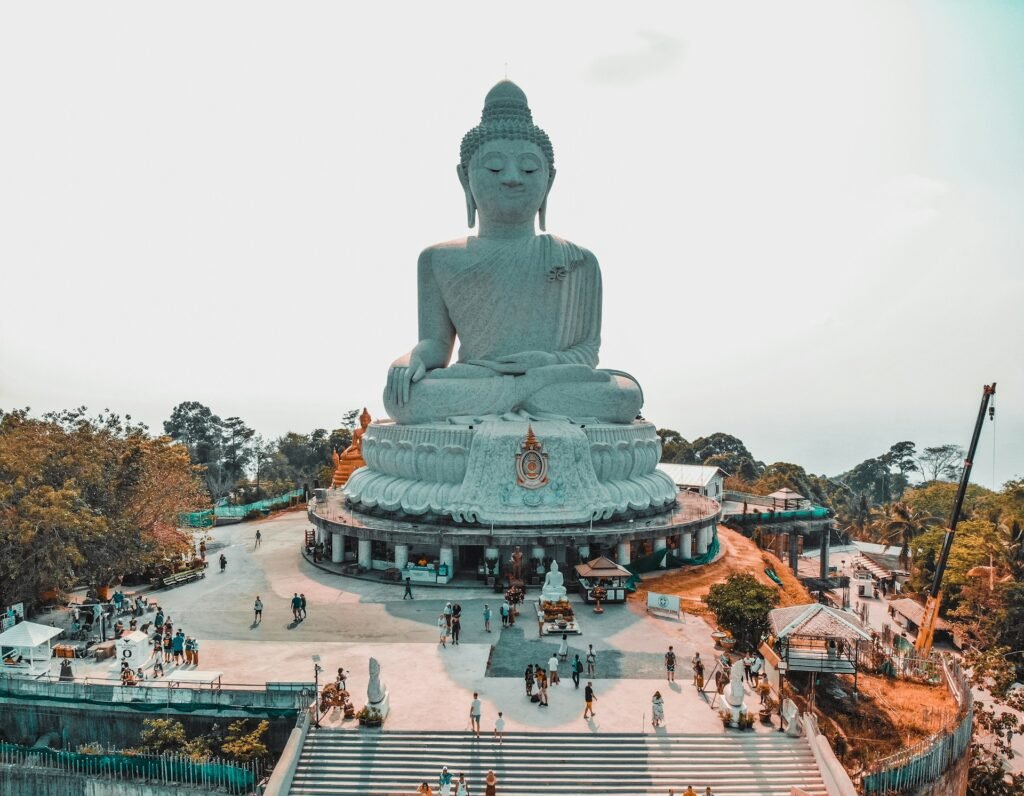
Image: the Big Buddha

Krabi: Majestic Limestone Karsts & Pristine Coastline
Krabi is often considered the most scenic coastal province in Thailand, characterized by its dramatic limestone formations that plunge dramatically into the sea. This region is less developed than Phuket, offering a more laid-back atmosphere.
Must-Do:
Railay Beach: Accessible only by boat due to the towering cliffs that cut it off from the mainland, Railay is a paradise for rock climbers, sunbathers, and kayakers. The stunning scenery and crystal-clear water are unparalleled.
Island Hopping to Koh Hong & Beyond: Discover hidden lagoons, pristine beaches, and vibrant marine life on boat trips to the spectacular Hong Islands.
Visit the Tiger Cave Temple (Wat Tham Suea): Hike up the 1,237 steps (be prepared for a challenge!) to reach the summit and enjoy breathtaking views of the surrounding countryside and coastline.
The Gulf of Thailand: Relaxed Island Life
For a slightly more relaxed island experience, head to the Gulf of Thailand, home to the Samui Archipelago.
Koh Samui: This developed island offers a great mix of beautiful beaches (like Chaweng and Lamai), luxury resorts, wellness retreats, and a lively dining scene. Don’t miss the charming Fisherman’s Village in Bophut for its Friday night market.
Koh Phangan: Famous for its monthly Full Moon Parties, Koh Phangan also offers peaceful beaches, fantastic yoga schools, and stunning diving spots in the north, away from the party scene.
Koh Tao: Known as a world-class diving destination, Koh Tao is the place to get your PADI certification or explore the vibrant coral reefs. Even if you don’t dive, the beaches and snorkeling are excellent.

Venturing North: Mountains, Jungles, & Cool Retreats
Thailand’s Northern region offers a completely different landscape and cultural experience. It’s a land of misty mountains, lush jungles, ancient capitals, and vibrant hill tribe cultures.
Chiang Mai: The Cultural Capital of the North
Chiang Mai, the former capital of the Lanna Kingdom, is a charming city nestled in the mountains. It’s a hub for digital nomads, cultural enthusiasts, and nature lovers.
Must-Do:
Explore the Old City: Wander through the atmospheric Old City, enclosed by ancient walls and a moat. Discover hundreds of ornate Buddhist temples, including Wat Chedi Luang and Wat Phra Singh.
Visit Doi Suthep: Take a scenic drive up the mountain to Wat Phra That Doi Suthep, one of Thailand’s most revered temples, offering stunning views over Chiang Mai city.
Trekking and Ethical Elephant Encounters: Embark on a jungle trek through the surrounding hills, visiting hill tribe villages and learning about the rich local culture. Be sure to choose ethical elephant sanctuaries that prioritize animal welfare over riding or performances.
Explore the Night Markets: Immerse yourself in the vibrant atmosphere of the nightly markets, where you can find unique handicrafts, delicious street food, and lively entertainment.
Chiang Rai: Temples and the Golden Triangle
Located further north, near the border with Myanmar and Laos, Chiang Rai is known for its unique temples and the historical Golden Triangle region.
Must-Do:
Wat Rong Khun (The White Temple): Marvel at this contemporary masterpiece, a striking all-white temple adorned with intricate sculptures and mirrored glass, representing purity and enlightenment.
Wat Rong Suea Ten (The Blue Temple): Explore this stunning modern temple characterized by its vibrant blue exterior and intricate gold decorations.
The Golden Triangle: Visit the confluence of the Ruak and Mekong Rivers, where Thailand, Myanmar, and Laos meet. This area, once infamous for its opium trade, now offers stunning viewpoints and a glimpse into the region’s complex history.
Connecting with Nature: National Parks and Ethical Travel
Thailand’s natural beauty extends beyond its coastlines and mountains, with spectacular national parks protecting diverse ecosystems.
Khao Yai National Park: Jungle Adventures Close to Bangkok
As Thailand’s first national park and a UNESCO World Heritage site, Khao Yai offers an accessible jungle escape just a few hours from Bangkok. It’s home to wild elephants, gibbons, hornbills, and dramatic waterfalls.
Must-Do:
Wildlife Spotting: Join a guided night safari or hike along the trails for a chance to spot elephants and other nocturnal creatures.
Visit Haew Narok and Haew Suwat Waterfalls: Admire the power and beauty of these impressive waterfalls, surrounded by lush jungle foliage. Haew Suwat is famous for its appearance in The Beach.
Hiking and Birdwatching: Explore the park’s extensive trail network, perfect for encountering diverse flora and fauna.

Chiang Mai

Chiang Rai
Khao Sok National Park: The Jewel of the South
Khao Sok, located between Phuket and Krabi, is arguably Thailand’s most breathtaking national park. It features an ancient rainforest, towering limestone karsts, and the stunning Cheow Lan Lake.
Must-Do:
Cheow Lan Lake Boat Tour: Experience the magical beauty of Cheow Lan Lake, dotted with dramatic limestone formations. Stay in a floating bungalow for a truly unforgettable experience.
Jungle Trekking: Hike through the dense rainforest, encountering gibbons, monkeys, and potentially even rare Rafflesia flowers (during bloom season).
Canoeing or Kayaking: Glide silently along the Sok River or across the lake, soaking in the serene natural surroundings.
Ethical Travel and Ecotourism in Thailand
As responsible travelers, it’s crucial to make conscious choices that support conservation and local communities.
Choose Ethical Elephant Sanctuaries: Avoid any facility that offers elephant riding, bathing with elephants (which can be stressful and unsafe), or performances. Prioritize sanctuaries that allow elephants to live naturally and focus on education and conservation.
Respect Wildlife: Never touch or feed wild animals, and observe them from a safe distance. Avoid purchasing wildlife products or souvenirs.
Support Local Communities: Choose locally-owned accommodation, restaurants, and tour operators. Engage respectfully with local communities, learn about their culture, and avoid taking intrusive photos.
Minimize Your Environmental Impact: Reduce plastic waste, conserve water and energy, and stick to established trails in national parks.
Planning Your Thai Adventure: Best Time to Visit and Transportation
Thailand is a diverse and rewarding destination that can be visited year-round, depending on your preferences.
Best Time to Visit Thailand
Cool and Dry Season (November – February): This is generally considered the best time to visit most of Thailand. Temperatures are pleasant (around 25-30°C) and rainfall is low. This is also peak tourist season, so be prepared for larger crowds and higher prices.
Hot and Dry Season (March – May): Temperatures soar during these months, often reaching above 35°C (especially in the north and Bangkok). It’s very humid, and rainfall is still rare. This can be a great time for beach destinations but can be uncomfortable for city exploration.
Rainy Season (June – October): This is the monsoon season, characterized by frequent, heavy rain showers (often short-lived) and high humidity. It doesn’t mean it rains all day, every day, and prices are significantly lower. Some islands (like those in the Gulf) experience less rain during these months, while others (like the Andaman coast) are best avoided due to rough seas.