

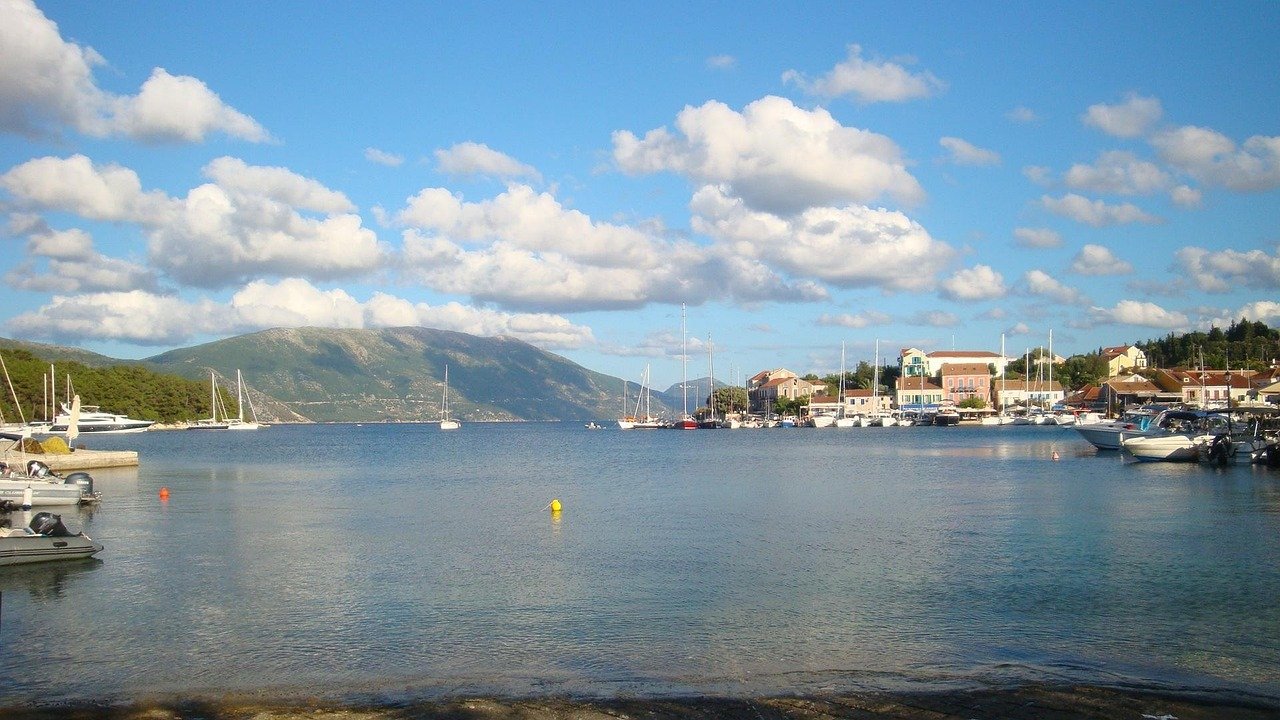

Ithaca, the Island of Odysseus
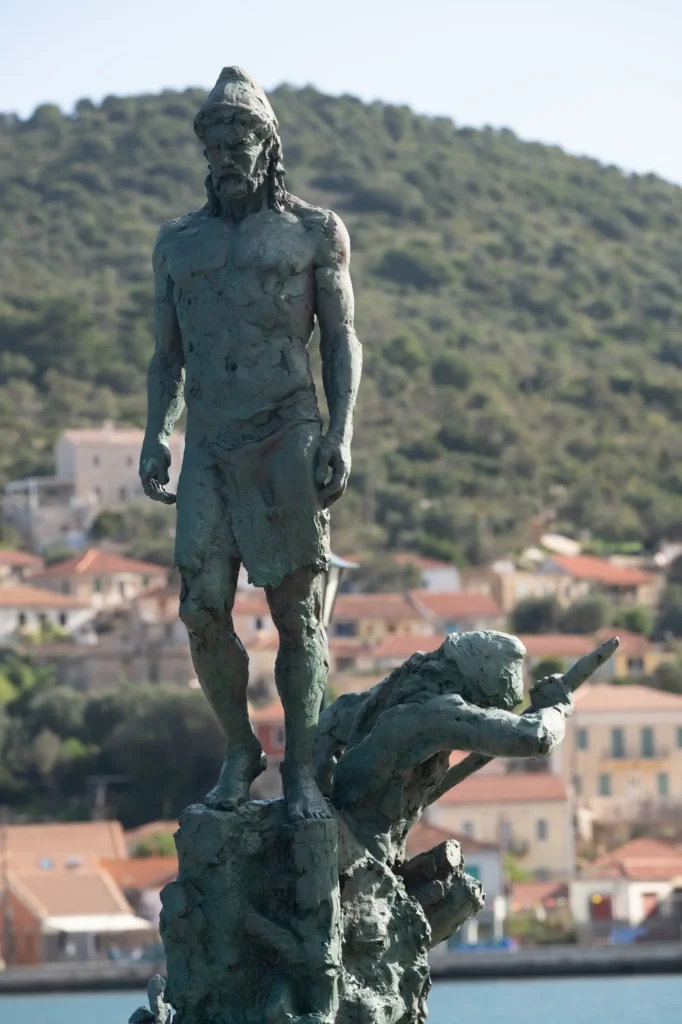
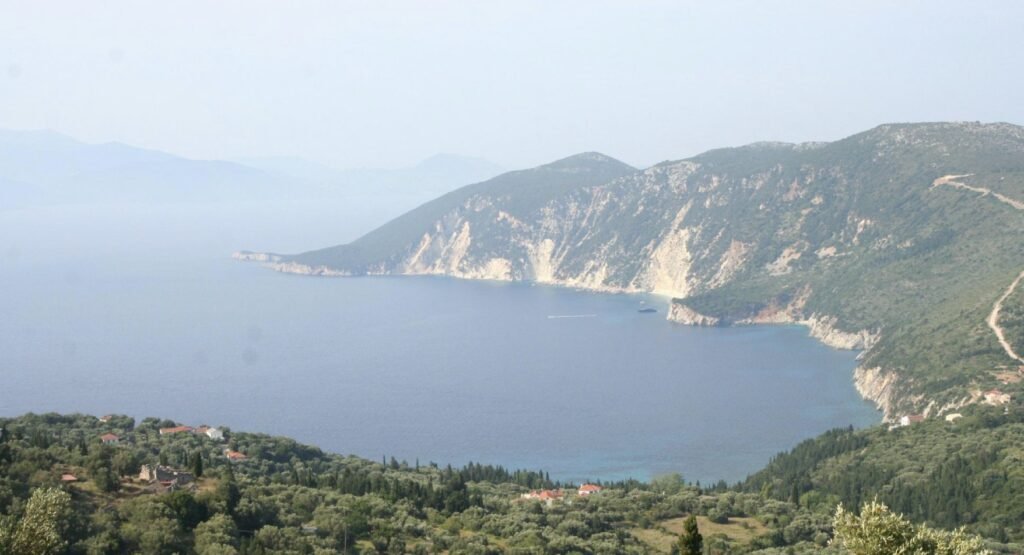
There are islands that captivate you with their cosmopolitan energy, and others that hold you spellbound with their quiet, almost mystical charm. Ithaca undeniably belongs to the latter. The legendary kingdom of Odysseus isn’t just a travel destination—it is a sanctuary of nostalgic tranquility, framed by lush green landscapes, emerald waters, and an authenticity that is rare to find in today’s Ionian Sea.
Must-See Spots & Things to Do
Vathy: The island’s picturesque capital, built around a secure natural harbor. Stroll through narrow alleys lined with traditional Venetian-style mansions, enjoy fresh seafood by the waterfront, and take in the view of the verdant islet of Lazaretto.
Stavros & Odysseus’ Palace: In the northern part of the island, the village of Stavros houses a detailed model of the Homeric Palace. Nearby lies the archaeological site of Agios Athanasios, which many scholars identify as the actual home of Odysseus.
Kioni: Arguably the most photographed village on the island. A preserved traditional settlement with charming heritage houses, waterfront cafes, and sailboats gently swaying in its sheltered bay.
Anogi & Katharon Monastery: Drive up to the mountainous village of Anogi to marvel at its massive natural monoliths (menhirs), then visit the Katharon Monastery for breathtaking panoramic views over the island.
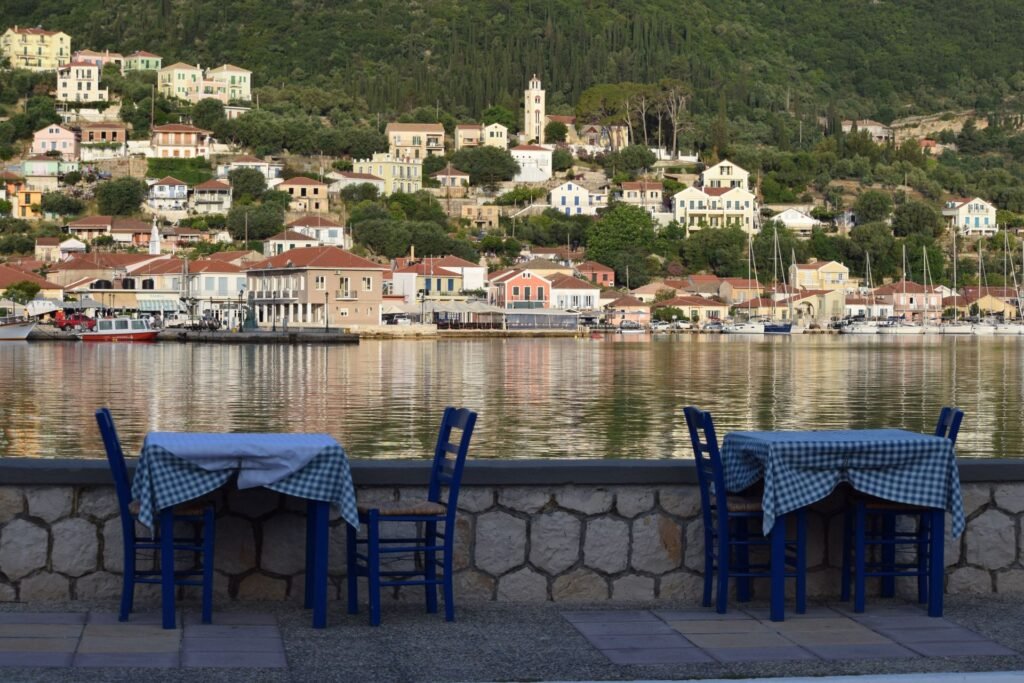
Gastronomy & Local Flavors
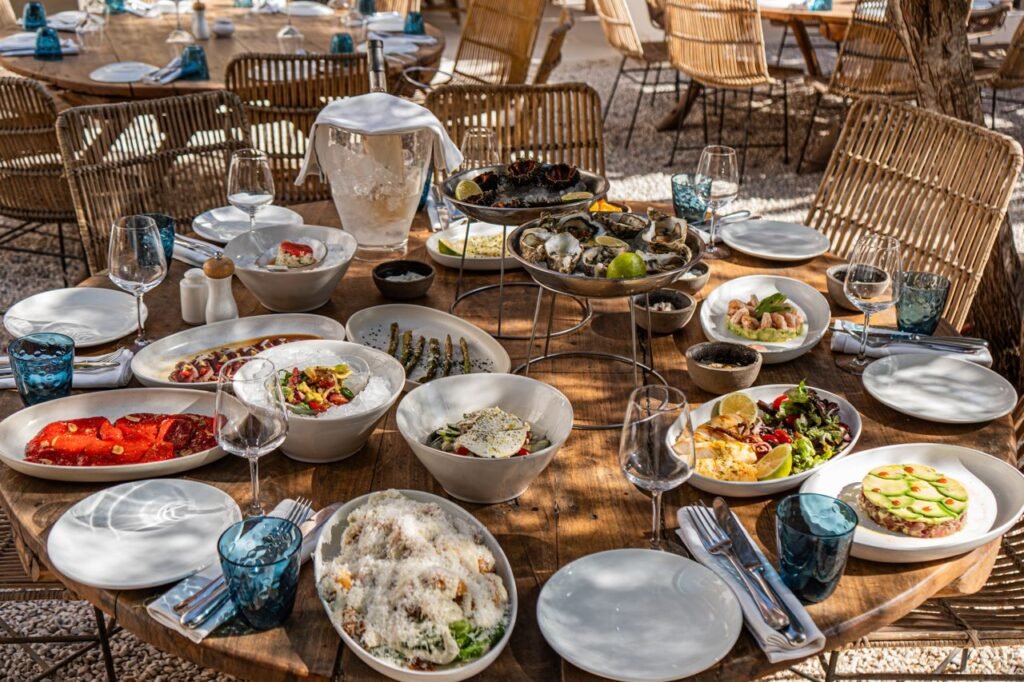
Ithacan cuisine combines Septinsular (Ionian) culinary traditions with fresh land and sea ingredients. Be sure to try:
-
Tserepa: Chicken or meat slow-cooked in a traditional clay covered pot with garlic, tomato, and spices.
-
Savoro: Fresh fish marinated in a rich sauce of rosemary, raisins, vinegar, and grape molasses.
-
Rovani: The island’s signature dessert, a sweet pan cake made with rice, local honey, and olive oil.
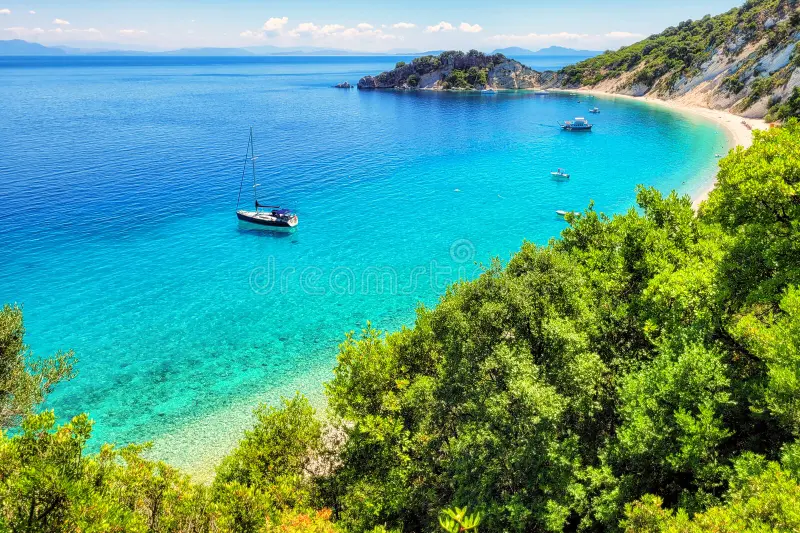
Ithaca’s beaches are famous for their crystal-clear turquoise waters, white pebbles, and lush green scenery that often reaches right down to the shoreline. Most offer a peaceful atmosphere, and some of the most stunning ones are best reached by boat.
- Gidaki: Widely considered the most beautiful beach on Ithaca. It features stunning electric-blue waters and smooth white pebbles. You can get there via a taxi boat from Vathy or by hiking a trail from Skinos bay.
- Filiatro: The most popular and cosmopolitan beach on the island. It is organized with sunbeds, umbrellas, and a beach bar, all surrounded by dense olive trees that provide plenty of natural shade.
- Afales: Located in the north, this wild and dramatic bay features imposing white cliffs, fine pebbles, and exotic water colors. It is perfect if you want to feel closer to nature.
- Aspros Gialos: A gorgeous beach on the west coast facing Cephalonia. It is known for its bright white pebbles and extremely clear, deep blue waters.
- Poli: Found in northern Ithaca below Stavros village. It is a sheltered bay with some sunbed rentals and a small harbor. The ruins of an ancient sunken city lie hidden beneath its waters.
- Kourvoulia: Three consecutive, small, and secluded pebble coves (Kourvoulia 1, 2, and 3) along the road from Frikes to Kioni. They feature calm emerald waters, making them perfect for a quick, refreshing swim.
- Location: Northern Ithaca, near Stavros village.
- How to get there: Drive toward Stavros and follow the signs for “School of Homer” or “Agios Athanasios”. The paved road ends at a designated spot. From there, take the clear, uphill hiking path for about 15–20 minutes.
- Tips: Entrance is free, but the ruins are partly fenced. Wear sturdy sneakers and a hat, as there is absolutely no shade.
- What to see: It houses artifacts excavated from the Palace and the nearby Loizos Cave. The most famous exhibit is a fragment of a 1st-century BC clay mask engraved with “ΕΥΧΗΝ ΟΔΥΣΣΕΙ” (A Wish to Odysseus), proving the hero was actively worshipped on the island.
- How to get there: Located right inside Stavros village, with easy street parking and walking access.
- History: This coastal cave served as a religious center and temple dedicated to Odysseus and ancient gods.
- How to get there: Located at Poli Beach, just below Stavros. Due to past earthquake damage, the cave roof has partially collapsed, and entry inside is strictly forbidden for safety reasons. However, tourists can visit the beautiful bay and even snorkel over the sunken ancient city ruins in the shallow waters.
- What to see: A great collection of geometric pottery, votive offerings, and ancient coins found across the southern parts of Ithaca.
- How to get there: Located in the heart of the island’s capital, Vathy. It is easily accessible on foot from the main square.
- History: The ruins of an ancient fortified acropolis. In the 19th century, early explorers mistakenly called this high fortress the “Castle of Odysseus.”
- How to get there: Situated on a hill right above the port of Piso Aetos. Reaching the top requires a steep, strenuous hike of about 30–40 minutes on an unshaded rocky trail. It rewards visitors with panoramic views of the sea but is recommended only for fit hikers.
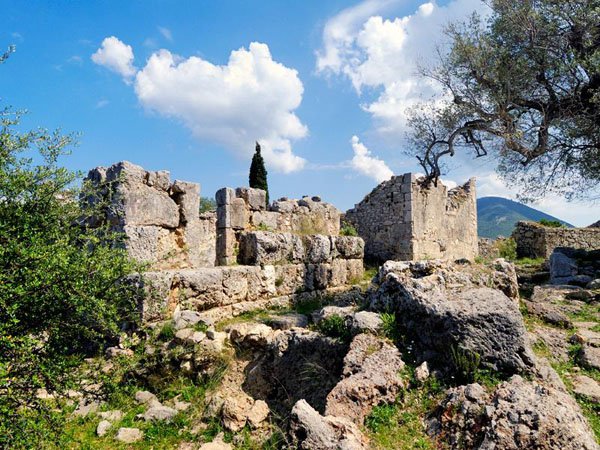
The “Palace of Odysseus” (Agios Athanasios / School of Homer)
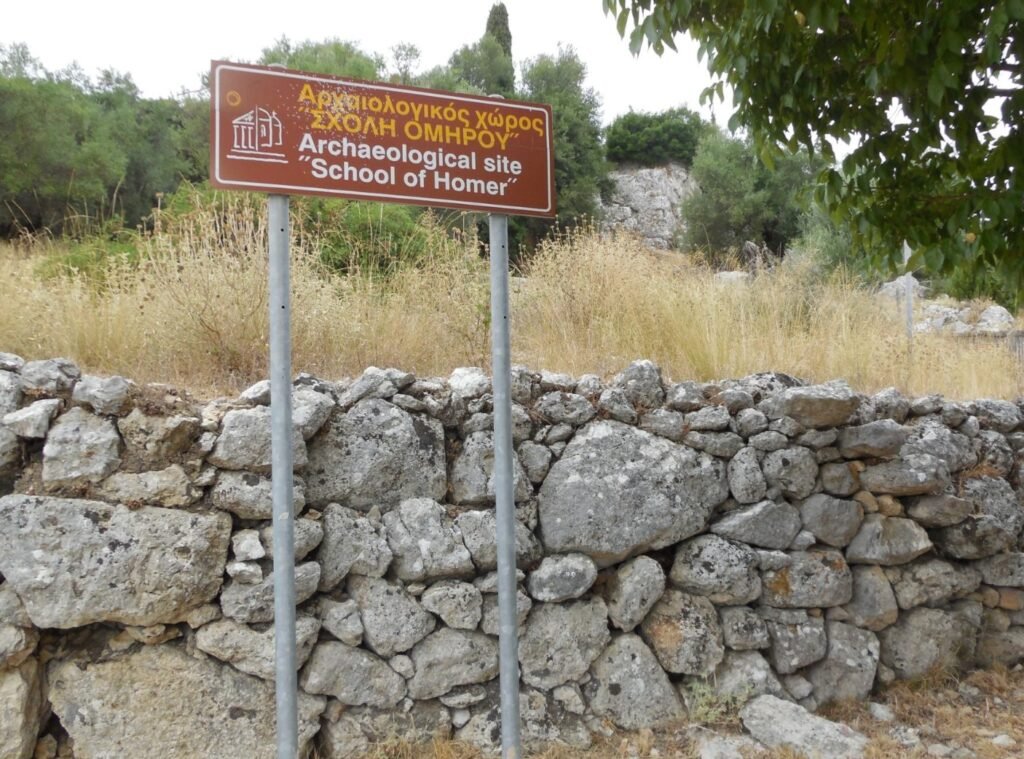
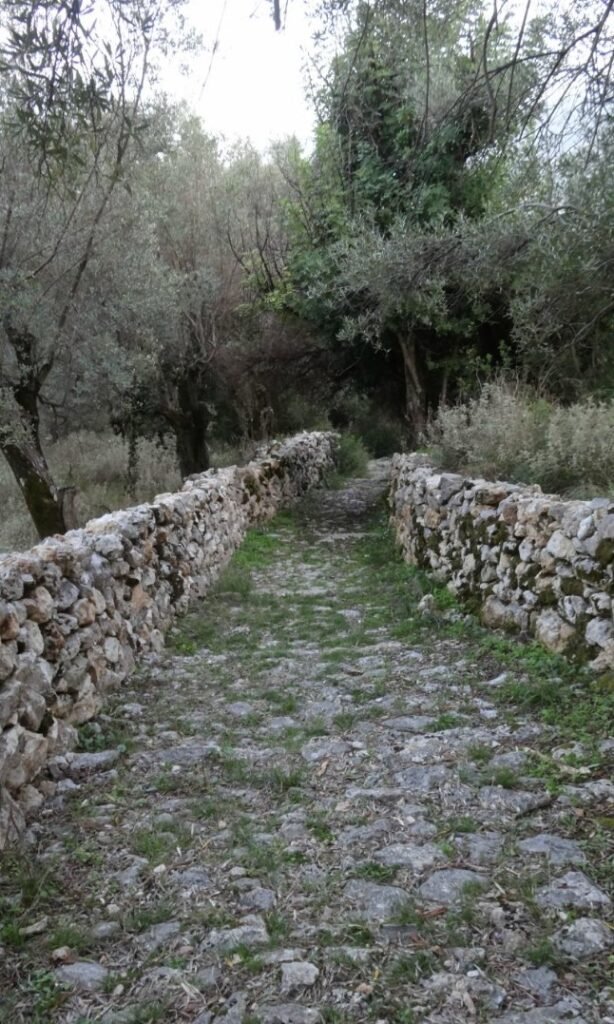
If you are interested, just open Google Maps and it will guide you directly to the Palace of Odysseus. Please note that the paved road ends at a certain point. From there, you will need to follow a short, uphill hiking path for about 15 to 20 minutes to reach the ruins. Make sure to wear sturdy athletic shoes, bring plenty of water, and wear a hat, as there is very little shade along the way
This content is blocked because it requires Google Maps cookies.
Official Mobile Providers in Greece
- Cosmote: This network offers the widest coverage and fastest 4G/5G speeds, especially in remote beaches and islands like Ithaca. Their tourist prepaid package is typically called Cosmote What’s Up / Tourist SIM.
- Vodafone Greece: Offers very reliable network coverage and frequently runs summer promotions with unlimited data packages (Giga Weeks/Months) tailored for tourists.
- Nova: The third national provider. They offer highly competitive and budget-friendly prepaid packages, though their signal can occasionally be slightly weaker in very isolated bays.
- At the Arrival Airport: If arriving via Athens International Airport (AIA), Cephalonia Airport (EFL), or Aktion Airport (PVK), there are official kiosks, tech stores (like Germanos), or provider shops right at the terminal area selling tourist SIM packs.
- In Main Ports/Towns: Before boarding the ferry to Ithaca, tourists can easily visit an official brand store in larger nearby hubs like Argostoli (Cephalonia) or Lefkada Town.
- Local Tech/Authorized Stores & Mini Markets in Vathy: A few local commercial shops, authorized electronics dealers, or press agencies in the capital city of Vathy stock prepaid starter packs (mainly Cosmote What’s Up or Vodafone CU).
- The Local Post Office (ELTA) in Vathy: Greek post offices often sell valid prepaid SIM cards and can assist with the process.
- Passport/ID is Required by Law: In Greece, anonymous SIM cards do not exist. To activate any prepaid SIM card, tourists must present a valid physical passport (or a European ID card) at the point of purchase for mandatory registration.
- Beware of Foreign Non-EU Networks (Crucial Roaming Warning): While on the coastal roads or open waters around the Ionian Islands, mobile phones can sometimes accidentally latch onto powerful cell towers from neighboring Albania (a non-EU country). This triggers massive roaming fees. Advise tourists to go into their phone’s cellular settings, turn off “Automatic Network Selection,” and manually select Cosmote, Vodafone GR, or Nova.
- Consider an eSIM (The Easiest Alternative): If their smartphone supports eSIM technology, they can download a data-only profile online before arriving via trusted global apps like Airalo or Holafly. This eliminates the need to find a physical store altogether.
- Via Cephalonia Airport (EFL): Fly into Cephalonia Airport. Take a taxi or bus to the port of Sami (approx. 40 minutes). From Sami, take a ferry to Piso Aetos port in Ithaca. The ferry ride takes only 20–25 minutes and is operated daily by companies like Levante Ferries. [1, 2, 3, 4]
- Via Aktion/Preveza Airport (PVK): Fly into Aktion Airport on the mainland. Drive or take a bus south to the island of Lefkada (connected by a bridge) to the ports of Nydri or Vasiliki. From there, seasonal summer ferries take you directly to northern Ithaca (Frikes port) in about 1.5 to 2 hours. [1, 2, 3]
- From Astakos Port (Etoloakarnania): This is the most direct mainland connection to Ithaca. Daily ferries operate from Astakos Port straight to Piso Aetos port in Ithaca. The journey takes about 2 hours and 20 minutes and is highly popular for travelers bringing cars from Athens. [1]
- From Patras Port: Depending on seasonal schedules, there are sometimes direct or indirect ferry lines connecting the large port of Patras to Ithaca (via Cephalonia), taking roughly 3.5 to 4 hours. [1, 2]
- Go to the Kifisios Bus Station in Athens and take the KTEL Kefallonias/Ithakis bus line.
- The bus drives you directly to the port of Astakos or Sami (via Patras), boards the ferry with you, and drops you off right on Ithaca. You can check schedules and book tickets directly on the official KTEL Kefallonias Website. [1, 2, 3]
“We wish you an unforgettable stay on our beautiful island. May your journey to Ithaca be as magical and full of discovery as the one Homer wrote about. Safe travels, and enjoy every moment of your own ‘Odyssey’!”